Contact Downloads
alt-text

Corrugated hoses

Contact

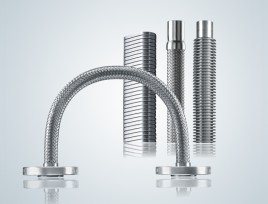
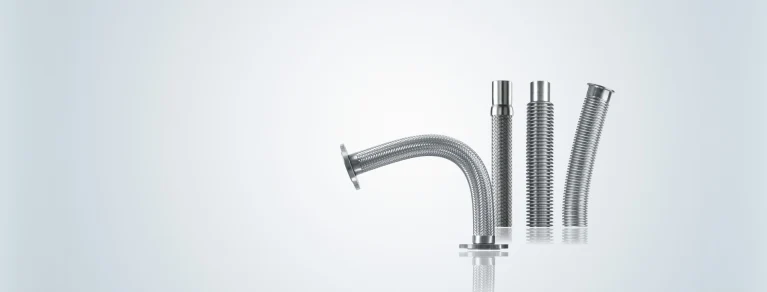
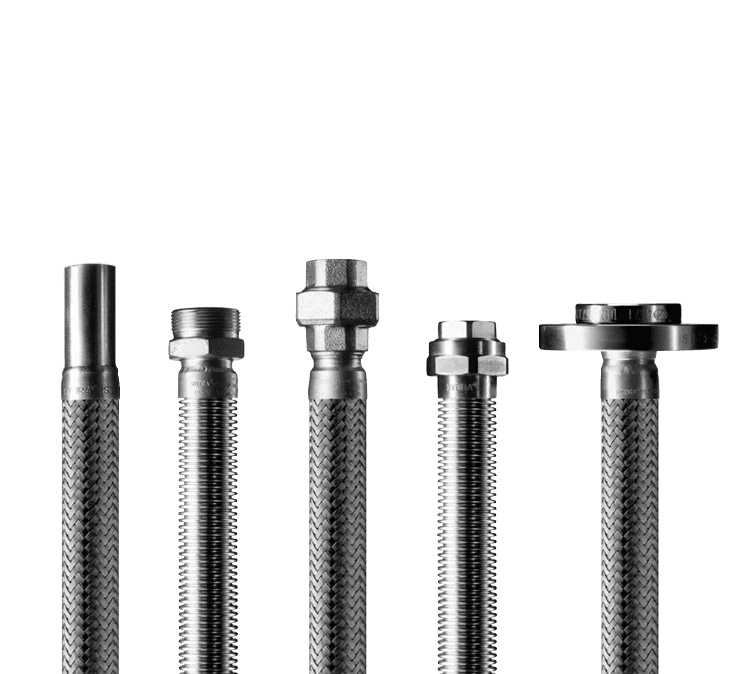
Here you will find an overview of our standard and special product range for corrugated hoses.

Do you need a special design? Please get in touch with us.

Hose applications

Hose Types

alt-text

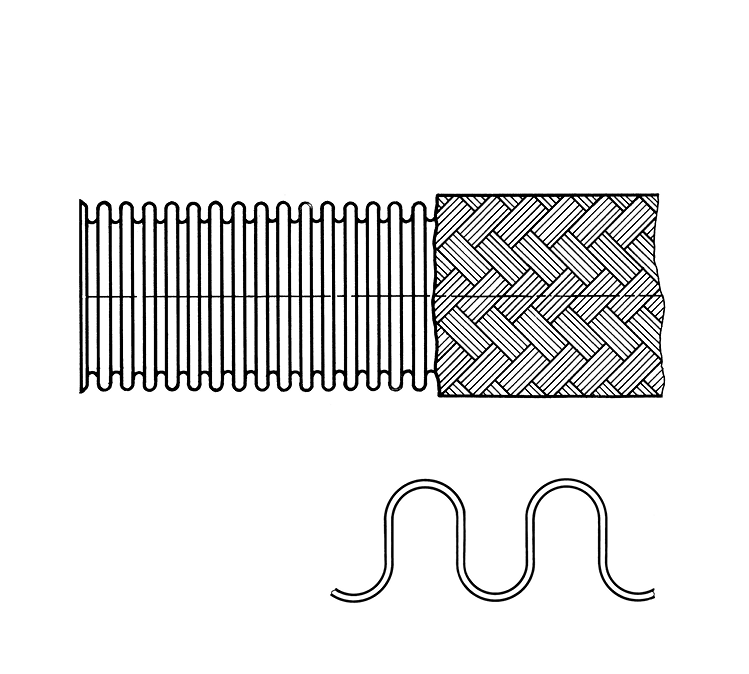
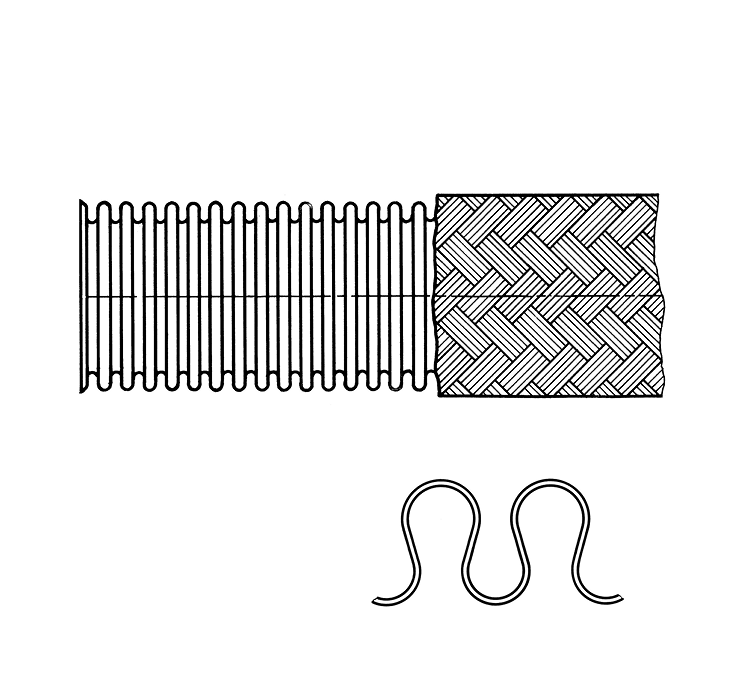
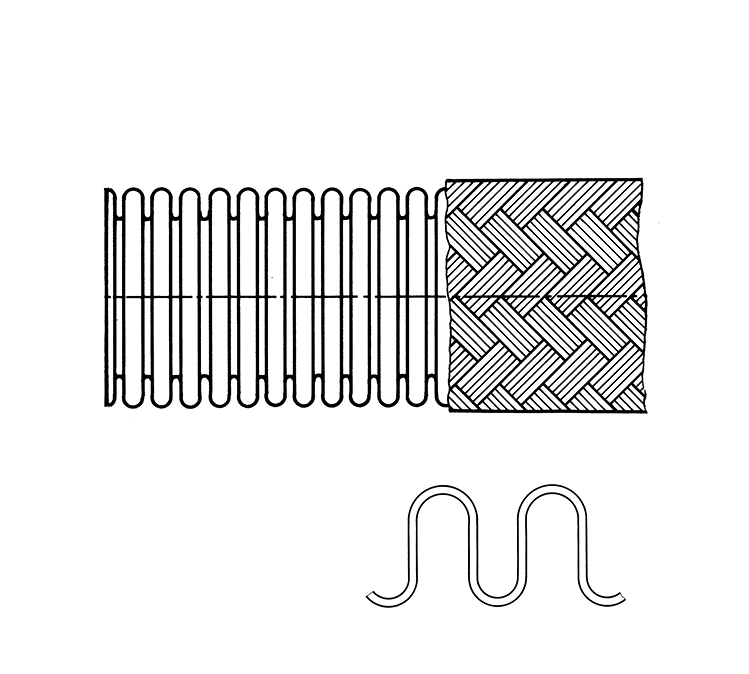
Annular corrugated medium version, standard corrugation

alt-text

Annularly corrugated medium version, narrowly corrugated, highly flexible

alt-text

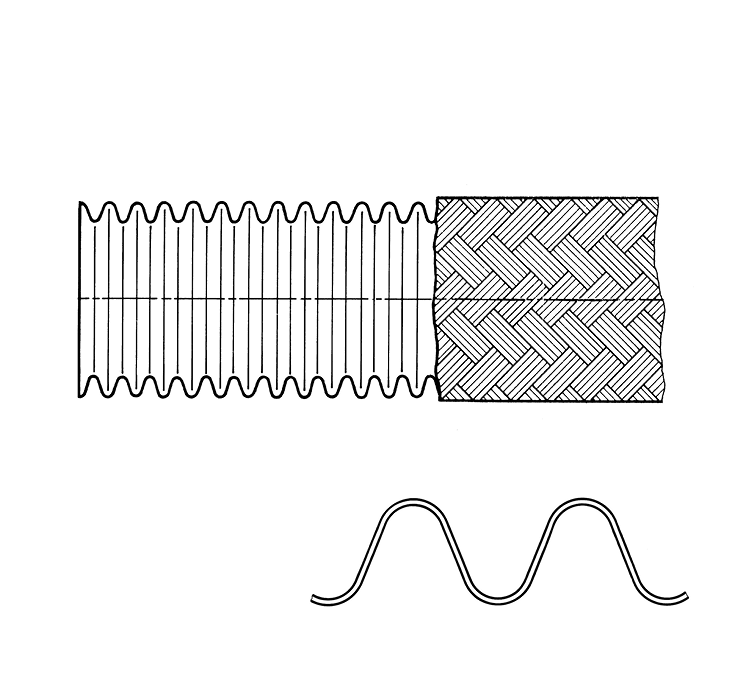
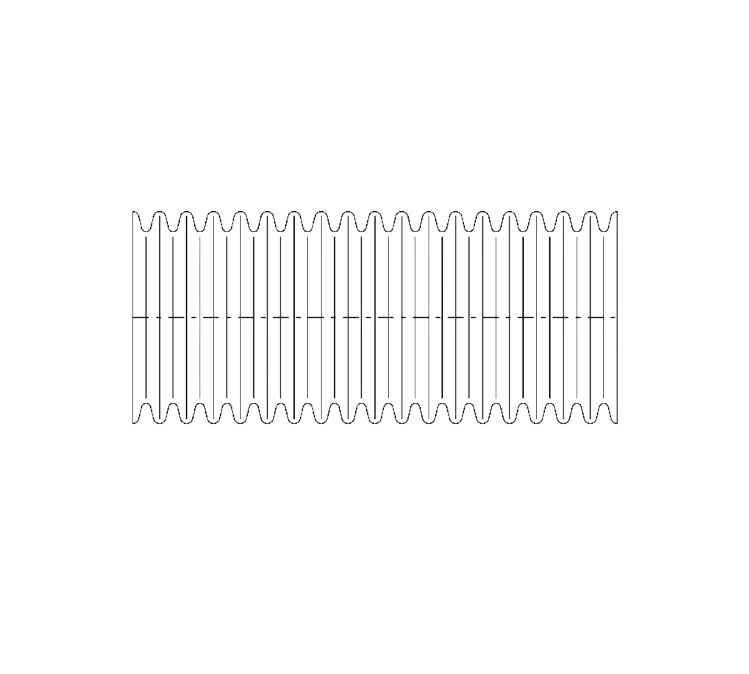
Annular corrugated medium version, wide corrugation

alt-text

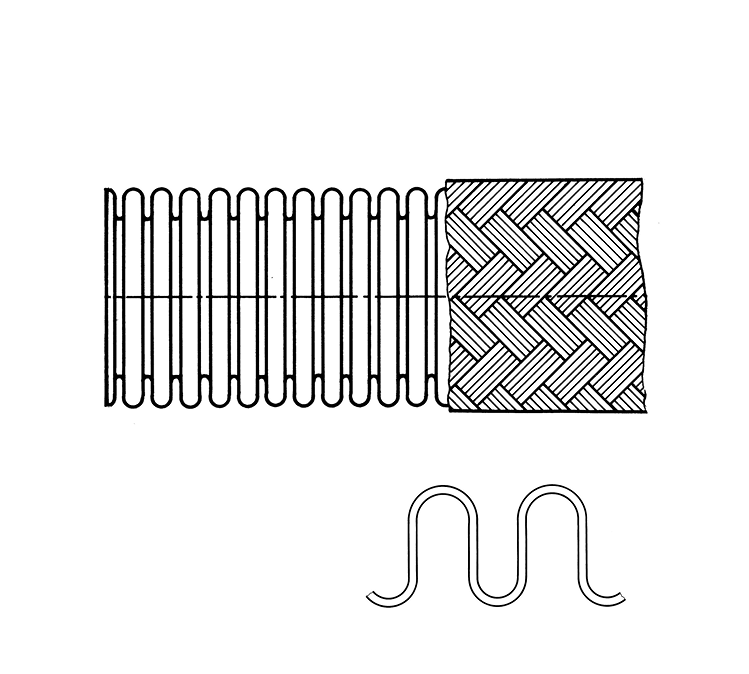
Annular corrugated heavy-duty version, standard corrugation

alt-text

Annular corrugated heavy-duty version, standard corrugation

alt-text

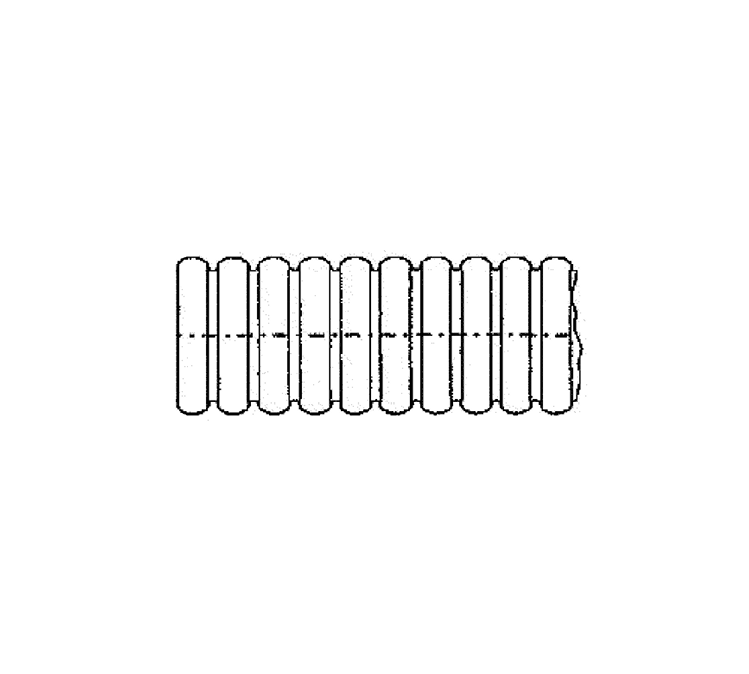
Semi-flexible, very wide corrugation

alt-text

Semi-flexible, with shallow corrugation

alt-text

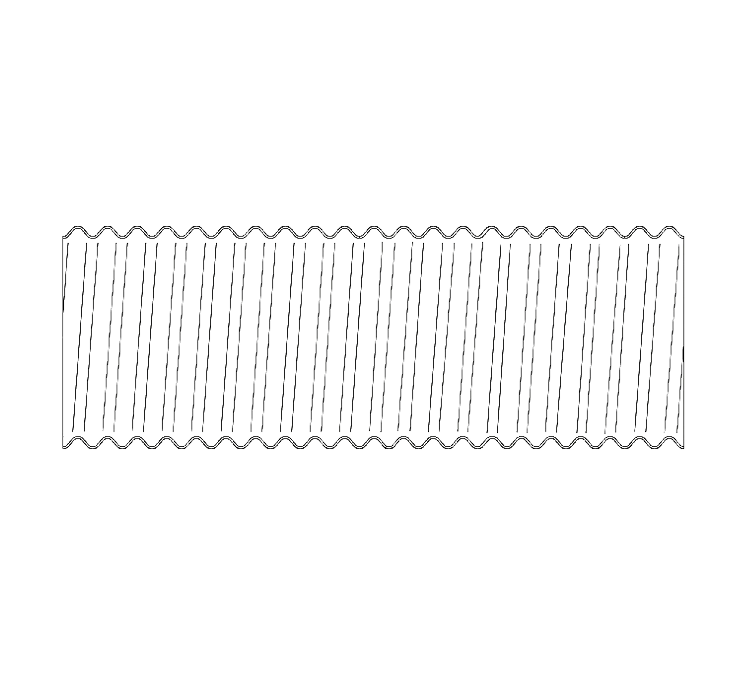
Semi-flexible, mechanically corrugated.
Wall thickness: increased

alt-text

Flexible and perfectly fitting

CUSTOMISED SOLUTIONS

We can do more than just standard. We also find solutions for your demands.

Questions and Answers

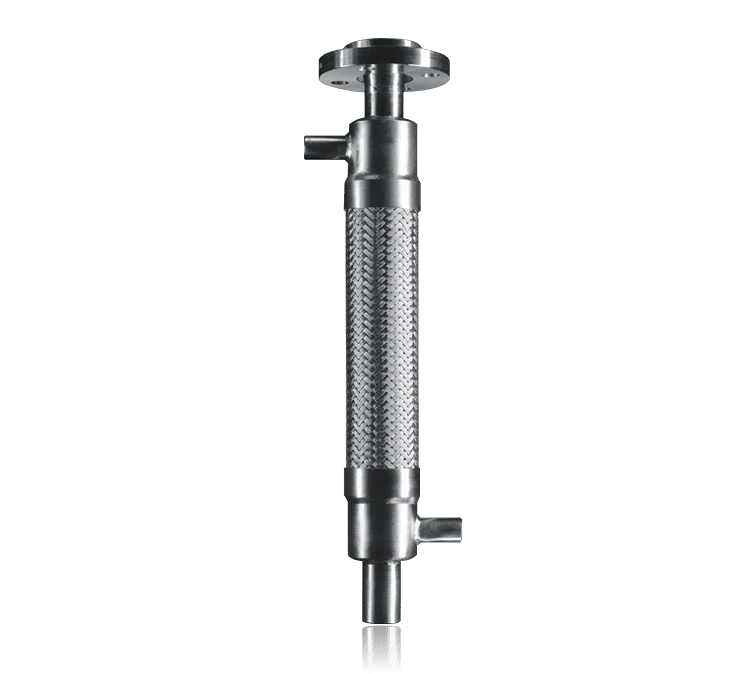
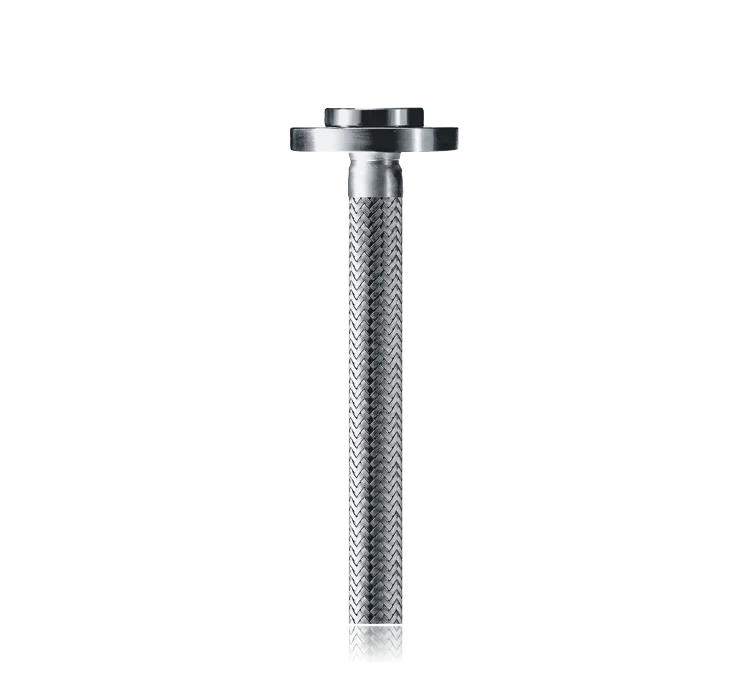
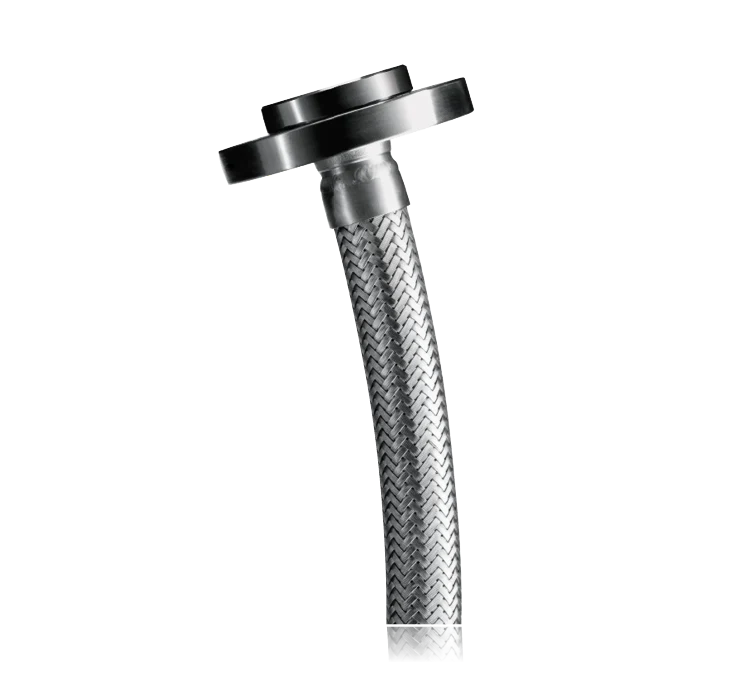
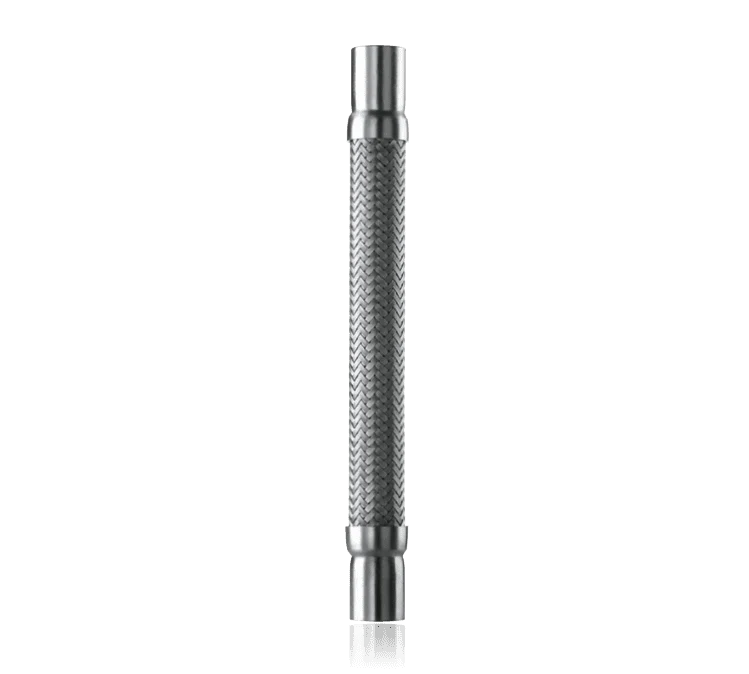
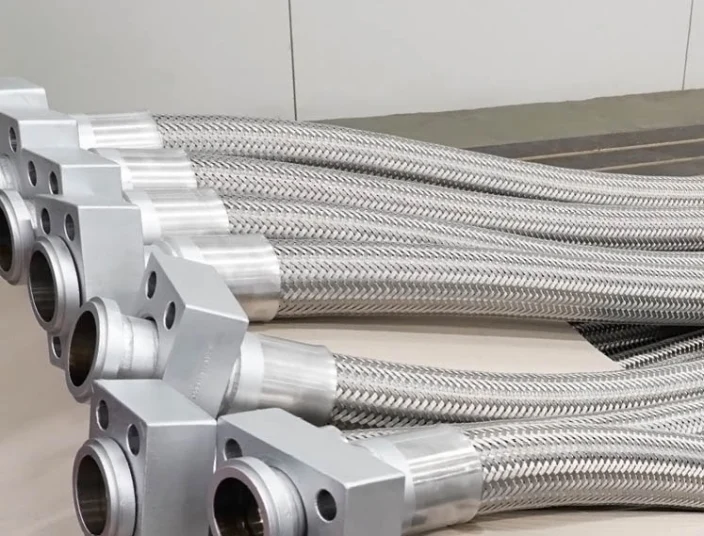
In its classic design as a corrugated hose, a metal hose consists of three core components:

  • a corrugated hose as a sealed, pressure-bearing element,
  • an outer braided hose designed to absorb the longitudinal force generated by internal pressure,
  • as well as the connection fittings, which serve as an interface with the surrounding environment.
Optionally, a PTFE liner can be added to increase chemical resistance, along with an inner braid for flow guidance, an outer round wire spiral, or a protective hose for mechanical protection.

The standard material for the corrugated hose is austenitic stainless steel 1.4404, and for the braid, it is 1.4301.

For applications with higher corrosion or temperature requirements, other materials such as 1.4565, 2.4856, 1.4571, and other stainless steel alloys are available.

The maximum allowable operating pressure of a corrugated hose assembly generally depends on the operating temperature. Material-specific derating factors reduce the allowable operating pressure at elevated temperatures.

In the standard version, nominal pressures of up to 250 bar are possible at 4 times the burst pressure for small nominal diameters and at temperatures below room temperature. Various special versions are available for even higher pressure requirements.

The maximum operating temperature for standard stainless steels is 550°C, depending on pressure; with special materials, it can be even higher. In the low-temperature range, temperatures as low as -270°C are possible.

Relevant design parameters are:

  • Nominal Diameter (DN) and Inner Diameter
  • Operating Pressure (PS) and Operating Temperature (TS)
  • Type of motion (stroke, oscillation, thermal expansion) and load cycle count
  • Medium (Corrosion Resistance, Chemical Resistance)
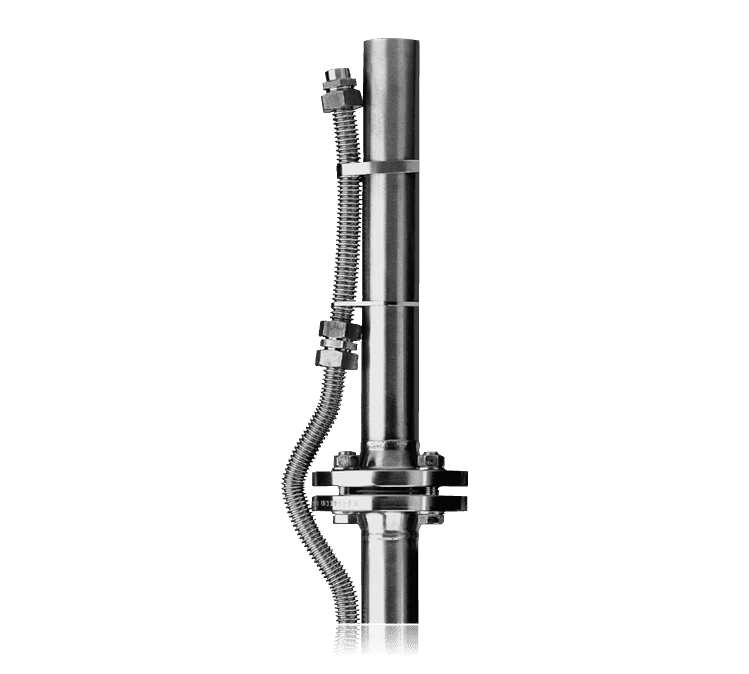
  • Installation Type (U-bend, 90° elbow, lateral)
  • Standards and Certifications (e.g., DVGW, DGRL, DIN EN ISO 10380)

FLEXPERTE (download version) is available for standard-compliant design: After entering the operating conditions, the tool provides suitable product recommendations, including all installation dimensions and sketches.

The most important standards for corrugated hoses are:

  • DIN EN ISO 10380: (International Standard: Design, Manufacture, and Testing of Corrugated Metal Hoses)
  • DIN EN 14585: Product standard for the EU Pressure Equipment Directive (PED 2014/68/EU)
  • DGRL (2014/68/EU): Mandatory EU Directive on Pressure Equipment; metal hoses are classified as “pipelines”
  • DIN 3384: Stainless steel gas hose lines (industrial, up to PN 16)
  • DIN 2827: Hose Assemblies for Chemical Substances
  • DIN EN 15265 / EN 14800: Gas lines and gas hoses for buildings and household appliances
  • DIN EN 16617: Corrugated metal hoses for flammable gases

Witzenmann is certified to ISO 9001, IATF 16949, EN 9100, ISO 14001, PPE Directive 2014/68/EU, EN 15085, EN ISO 3834-2, as well as product-specific approvals from DVGW, SVGW, VdS, FM, and international ship classification societies (ABS, BV, DNV, LRS).

  • Axial expansion cannot be accommodated—corrugated hoses must be installed in a U-bend (180°) or a 90° bend.
  • The minimum bending radius must never be exceeded.
  • Avoid twisting—first secure the hose on one side only, run through 2–3 movement cycles without pressure, then tighten both sides.
  • Position the anchor points immediately behind the end of the hose line.
  • The operator should perform visual inspections at regular intervals to check for kinks, breaks in the braiding, and corrosion.
  • Insulation must not restrict mobility; corrosive insulation materials are prohibited.
  • Perform a pressure test before commissioning; apply the test pressure only at room temperature.

Next steps

Download: FLEXPERTE customer version

FLEXPERTE: The design programme for the entire product range of the Witzenmann Group with a function-specific classification

  • Flexible metal hoses
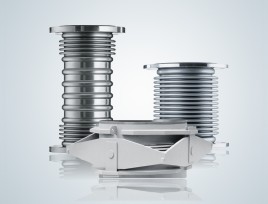
  • Expansion joints
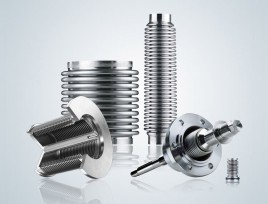
  • Metal bellows
  • Bearings, hangers, supports

Apart from the calculation formulas, drawing data as well as entire 3D CAD drawings are stored. With interfaces to E3D, S3D, Rohr2 and other software, the program is versatile and universally applicable.

Additional questions

Nothing beats direct contact. We are happy to take the time for a personal discussion with you to answer your questions on an individual basis.

Please send us an inquiry using the contact form, and we will immediately get back to you.